
The Ultimate Guide to Lawn Seeding and Over-Seeding
Introduction: Enhance Your Lawn This Fall
Looking to improve your cool-season lawn? Fall is the perfect time for seeding lawns with Kentucky Bluegrass, Perennial Ryegrass, Turf-Type Tall Fescue, and Fine Fescue.
Fall seeding helps repair damage from summer heat and introduces better-quality grass cultivars, improving your lawn’s health and appearance.
Click this link to download the expanded version of this guide here.
Seasonal DIY Lawn Care Strategies
Spring:
- Fertilize to encourage thick growth.
- Apply pre-emergent herbicides for crabgrass prevention.
- Mow regularly.
Summer:
- Focus on irrigation to prevent dormancy.
- Use low-nitrogen, high-potassium fertilizers.
- Apply liquid bio-stimulants.
Fall:
- Option 1: Thin lawns – Aerate, overseed, and use starter fertilizer.
- Option 2: Thick lawns – Apply fall pre-emergent and continue fertilizing.
Fall is the optimal time for lawn seeding, promising a lush lawn by Halloween.
Overseeding vs. Complete Lawn Renovation
Thinking about a full lawn renovation? Understand the pros and cons:
- Full Renovation: Higher risk, more labor, and potential weed problems.
- Overseeding: Easier, effective, and enhances existing grass.
When Renovation is Necessary:
- Lawn with more than 70% weeds.
- Extremely uneven terrain.
- Switching grass types (cool-season vs. warm-season).
Most homeowners achieve greater success building on existing grass.
Best Time for Fall Seeding
Optimal fall seeding occurs when soil temperatures drop to around 70°F. Use the free Yard Mastery app to track real-time soil temperatures.
Benefits of Fall Seeding:
- Reduced weed competition.
- Enhanced grass survival through winter dormancy.
Why Spring Seeding is Less Effective
Spring seeding faces intense weed competition, especially from crabgrass. Fall eliminates these issues, ensuring better grass establishment.
Timing Lawn Seeding Based on Soil Temperature
Aim for a soil temperature of approximately 70°F, measured 3-4 inches deep. Early seeding risks heat damage; late seeding risks frost.
Seeding Window:
- Perennial Ryegrass: 4-5 days
- Turf-Type Tall Fescue: 8-10 days
- Kentucky Bluegrass: 18-21 days
Provide at least 45-60 days for full establishment before winter.
Essential Conditions for Successful Grass Growth
Grass seed success relies on:
-
Proper temperatures (~70°F soil).
-
Consistent moisture (watering 2-3 times daily).
-
Seed-to-soil contact (critical for root establishment).
Aeration for Improved Seedbed:
Mechanical aeration improves compaction, thatch reduction, and seed-to-soil contact. Alternatively, liquid aeration products can achieve similar benefits without heavy equipment.
Seed Covering Options
For thin areas, use seed coverings:
-
Scotts Patchmaster: Effective but contains additional seed.
-
Greenview Seeding Mulch: Seed-free, expands to cover seeds.
-
Peat Moss: Affordable, lightweight, excellent moisture retention.
Avoid using topsoil or garden soil due to potential contaminants.
Spot Seeding vs. Full Lawn Seeding
For smaller bare areas, spot seed while applying pre-emergent herbicides like Prodiamine to the rest of the lawn.
Seeding Support Products
Boost seeding success with Yard Mastery’s:
-
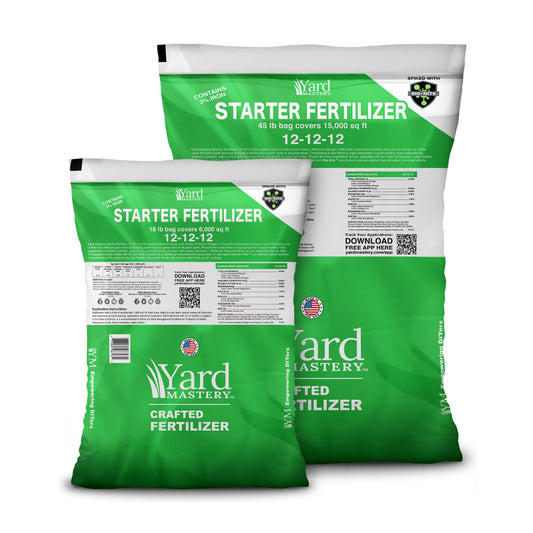
Starter Fertilizer (12-12-12): Supports root growth.
-
Compaction Cure: Enhances soil structure.
-
Moisture Max: Maximizes moisture retention.
-
Mesotrione (Tenacity): Prevents weeds during establishment.
These can be applied together for ease of use.
Choosing the Right Grass Seed
Opt for mid-grade seed blends, balancing cost and quality.
-
DIY Premium Double Dark: Fast germination, dark green appearance.
-
Jonathan Green Blends: Offers region-specific and shade-tolerant mixes.
-
GCI Grass Seed: Ideal for various climates and growing conditions.
Always read grass seed labels for purity, weed content, and freshness.
Step-by-Step Fall Seeding Schedule
-
Mow the lawn slightly lower.
-
Optional aeration.
-
Apply seed evenly, adding extra in thin spots.
-
Apply starter fertilizer (3 lbs/1,000 sq ft).
-
Spray liquids: Mesotrione, Moisture Max, Compaction Cure.
-
Cover the seed with recommended mulch.
- Water immediately and maintain 2-3 times daily.
Aftercare for Newly Seeded Lawns
- Water consistently for 3 weeks.
- First mowing at 3-4 weeks, set mower to highest setting.
- Fertilize with nitrogen-based fertilizer after 30 days.
- Optional weed control after second mowing.
Pre-Emergent and Winterizer Applications
- Apply Dimension pre-emergent herbicide if necessary after the second mowing.
- Use high-nitrogen winterizer fertilizer (40-0-0 Pre-Ban) before the winter freeze.
Ready for a Perfect Lawn?
Download the free Yard Mastery app for comprehensive, year-round lawn care guidance and join our supportive community on Facebook.
Happy seeding—I’ll see YOU in the lawn!
Al