
How to Prepare Your Lawn for a Heat Dome (Summer Lawn Care Guide)
How to Prepare Your Lawn for a Heat Dome (Summer Lawn Care Guide)
A heat dome — a high-pressure system that traps extreme heat over a region for days at a time — is one of the most punishing weather events a lawn can face. Extreme heat combined with high humidity can take a healthy lawn sideways fast if you're not ready.
Here's exactly what to do before the heat arrives and while it's bearing down.
Mow High for Stronger, Cooler Grass
As summer ramps up, resist the urge to scalp your lawn. Raise your mower deck and leave your grass on the taller side. Here's why it matters:
- Taller blades mean deeper roots — roots that can tap into moisture buried further down in the soil profile, especially important when surface moisture evaporates fast
- Taller grass shades the soil, keeping it cooler and slowing evaporation
- More leaf blade means more photosynthesis — your lawn stays stronger and recovers faster from heat stress
Stick with a higher cut all summer for the best results. Don't drop back down to your spring cutting height until temperatures consistently break below 85°F.
Keep that blade sharp. A dull blade tears grass rather than cutting it cleanly. Torn tips lose moisture faster, brown out quicker, and look rough even on a healthy lawn. Sharpen your blade every 20–25 mowing hours — or at minimum twice a summer. If the tips look shredded after you mow, you're overdue.
Feed Your Lawn Before the Heat Hits
A well-fed lawn going into a heat dome is significantly more resilient than one that hasn't been fertilized. Early summer feeding is strategic, not just routine. It primes your lawn to:
- Deepen root growth so the plant can access moisture further in the soil profile
- Build strength to recover from heat stress and foot traffic
- Maintain color through the hottest stretches of summer
Think of it as fortifying your grass before the fight, not scrambling to recover after it. Feed going into the heat, and your lawn enters it with reserves.
1. Get Your Watering Plan Dialed In
Whether a heat dome is on the forecast or summer heat has already arrived, everyone — no matter the region — will need to water. Watch this video on setting up your watering plan.
Water deeply, not frequently
Deep watering builds deep roots. Shallow daily watering trains roots to stay near the surface — and surface soil is the first to dry out in a heat dome. Your goal: get water 4–6 inches down into the soil.
Here's how to check: push a screwdriver, soil probe, or trowel into the ground shortly after watering. If it slides in easily to 4–6 inches, you're hitting your target. If it stops short, increase your run time until it penetrates that deep.
Water early morning
Water between 6–10 a.m. Early watering allows moisture to soak deep before heat drives evaporation. It also reduces fungal disease risk compared to evening watering, which leaves blades wet overnight. Early morning is the single best habit you can build for summer lawn watering.
Pro tip: Once you've dialed in your watering schedule with the screwdriver test, you won't need to check every time. But carrying a screwdriver while you walk your lawn does make you look like you mean serious business in the neighborhood.
2. Use Moisture Max to Stretch Every Drop
Moisture Max Liquid improves soil moisture retention — helping your watering go further and your lawn bounce back faster between irrigation cycles. It won't eliminate the need to water, but it makes every drop count more.
- Available in liquid and granular form — use whichever fits your application setup
- Granular application rate: 3 lbs per 1,000 sq ft
- See Moisture Max in action here
For maximum impact heading into a heat dome, pair Moisture Max with your summer lawn food and a preventative grub control application. Moisture management + nutrition + pest prevention is the complete summer setup — get all three in place before the heat arrives, not after your lawn is already stressed.
Summer heat dome prep checklist:
- Add Moisture Max to your summer lineup for moisture retention
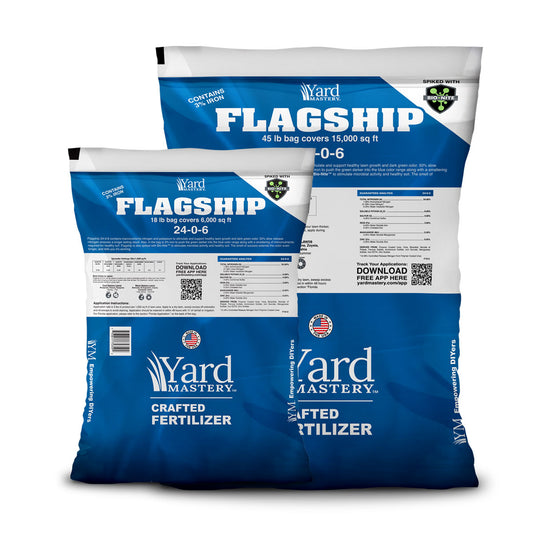
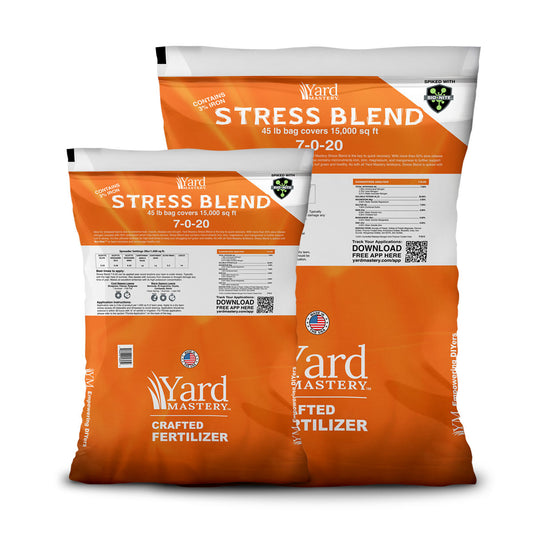
- Apply a summer-appropriate fertilizer to keep your lawn fueled
- Get grub control down before insect pressure peaks — preventative beats reactive every time
3. Feed Lightly and Time It Right
Mid-summer is not the time to push nitrogen hard — especially during a heat dome. Think of summer feedings as a gentle nudge, not a heavy meal. Too much nitrogen in extreme heat forces top growth at the expense of roots, increases disease susceptibility, and can stress already-taxed turf.
- Cool-season lawns (fescue, bluegrass, rye): Feed every 6–8 weeks, but reduce or skip if temps are consistently above 85°F. Shift focus to potassium for stress protection.
- Warm-season grasses (bermuda, zoysia, St. Augustine): Summer is their peak growing season — they can handle a midsummer feeding, but use a light hand and always follow label rates.
Slow-release, balanced formulations are your friend in summer. Fast-release nitrogen in high heat is where burn and stress problems start.
4. Apply Fungicide Before Disease Spreads
Hot, humid conditions are exactly what lawn diseases need to take hold. If you have tall fescue or St. Augustine grass, you're particularly vulnerable. Be proactive — apply a fungicide before you see widespread symptoms. By the time disease is visible, it's already ahead of you.
Diseases to watch for during a heat dome:
- Brown patch — most common in tall fescue during hot, humid nights
- Gray leaf spot — particularly aggressive in St. Augustine in summer heat
- Summer patch — attacks roots in hot weather, often looks like drought stress at first
- Rust and dollar spot — opportunistic when turf is weakened by heat
5. Fortify Against Summer Insects and Grubs
Heat brings out lawn pests. Grubs, chinch bugs, ants, and surface feeders all ramp up activity as temperatures climb. A heat-stressed lawn with insect damage underneath is a lawn that can go from green to gone in a matter of weeks.
Key timing notes:
- Northern states: Peak grub activity runs in early-to-mid summer. Get preventative grub control down before eggs hatch — once grubs are established and feeding, control becomes harder and more expensive.
- All regions: Surface feeders like chinch bugs are active all summer. Look for irregular brown patches that don't respond to watering as a sign of insect pressure rather than drought stress.
Preventative insect control is far more effective — and cheaper — than curative treatments after damage is done. Pair it with your summer fertilizer application to knock out two tasks in one pass.
6. Manage Clippings and Keep Your Blade Sharp
When to bag vs. when to mulch
If disease is present: bag your clippings. Mowing over diseased turf and leaving clippings spreads infected tissue across the lawn. Remove it. Think of it as performing surgery — targeted and immediate.
If your lawn is disease-free: leave the clippings. Grass clippings decompose quickly and return nitrogen and other nutrients directly back to the soil — a free feeding with every mow. They also help retain soil moisture and provide a small amount of shade to the soil surface, both valuable during a heat dome. Unless disease is present, mulch in place and let your mower do double duty.
Keep that blade sharp
A dull blade tears grass rather than cutting it. Torn tips lose moisture faster and are more susceptible to disease entry points. Sharpen your blade every 20–25 mowing hours, or at minimum a couple of times each summer. Post-mow, take a look at the grass tips — if they look shredded or frayed, sharpen before your next mow.
7. Don't Underestimate Hand Watering
Even a well-designed irrigation system has hot spots — areas under extra sun exposure, near concrete, or on slopes that dry out faster than the rest of the lawn. During extreme heat, those spots will show stress first.
Hand water trouble spots directly. Golf courses do this as standard practice, and it works. Hand watering isn't just about adding moisture — it also physically cools down the turf surface in the moment, which matters when temps are above 95°F.
For stressed zones, apply Moisture Max Liquid heavily to these areas to give them a fighting chance between full irrigation cycles.
Frequently Asked Questions
How do I protect my lawn during a heat dome?
Raise your mowing height, water deeply in the early morning (6–10 a.m.), apply a moisture management product like Moisture Max to improve water retention, feed lightly with a slow-release fertilizer, and apply fungicide proactively if you have tall fescue or St. Augustine. Get ahead of it before the heat arrives — don't wait until your lawn is already stressed.
How often should I water my lawn during a heat dome?
Water deeply 2–3 times per week rather than lightly every day. Deep, infrequent watering builds deeper roots that can access moisture further in the soil profile. Use the screwdriver test to confirm you're getting water 4–6 inches deep. Water between 6–10 a.m. to minimize evaporation and fungal disease risk.
Should I fertilize my lawn during a heat dome?
Feed lightly and use slow-release formulations. Avoid heavy nitrogen applications during extreme heat — excess nitrogen in high temperatures forces top growth at the expense of roots and increases disease and burn risk. Warm-season grasses can handle a light summer feeding; cool-season grasses should get minimal nitrogen above 85°F, with a focus on potassium for stress protection.
What causes lawn disease in summer heat?
Hot, humid conditions — especially warm nighttime temperatures — create ideal conditions for fungal lawn diseases like brown patch, gray leaf spot, and summer patch. Stressed turf is more vulnerable. Apply fungicide proactively before symptoms appear, especially if you have tall fescue or St. Augustine grass and live in a humid region.
Should I leave or bag grass clippings in summer?
If your lawn is disease-free, leave clippings in place — they return nitrogen and nutrients to the soil and help retain moisture. If lawn disease is present or suspected, bag clippings to prevent spreading infected tissue across the lawn with each mow.
When should I apply grub control?
Apply preventative grub control in late spring to early summer — before grub eggs hatch and larvae begin feeding on roots. In northern states, peak grub activity runs in early-to-mid summer. Preventative treatment is significantly more effective than curative treatment after grubs are already established and feeding.
When a heat dome hits, the prepared lawn wins.
Mow high, water deep, get Moisture Max down, and don't skip the fungicide if you're in a humid zone. A little planning before the heat arrives means a lot less damage control after.
Hope for the best, prepare for the worst — and enjoy those warm evenings out on the lawn. I'll see you in the lawn. — AL