
Florida Frozen Lawn Recovery Guide: How to Fix Freeze Damage to Your St Augustine, Zoysia & Palm Trees

Updated February 2026
If your Florida lawn looks brown and damaged after recent freezing temperatures, don't panic. Your grass isn't dead—it's just dormant. This comprehensive guide will show you exactly how to recover your lawn and palm trees after freeze damage, with proven fertilization and watering strategies that work.
Your Lawn Is Not Dead—It's Dormant (Here's Why)
First, the good news: Florida didn't get cold enough to kill an entire lawn. Whether you have St Augustine (the most common in Florida), Zoysia, Bermuda, Centipede, or Bahia grass, your turf is equipped with a natural defense mechanism called dormancy.
Depending on where you live in the state, your lawn may show frost damage, but this won't cause long-term harm. Dormancy is how warm-season grasses protect themselves from cold stress. The temperatures we experienced—even in Central and South Florida—weren't severe enough to cause major turf death or loss.
It's been several years since we've had a cold spell this harsh in Florida. The last significant freeze was in late January 2018, when the Bradenton area saw temperatures drop into the high 20s overnight. That event damaged palms but left lawns intact, and the same pattern holds true now.

4-Step Lawn Recovery Plan: Get Your Grass Back by Mid-March
Step 1: Water Properly (Starting Now)
The coldest weather is behind us, so it's safe to resume regular irrigation. Water your lawn at least twice per week, giving it a deep soak each time—that means applying ½ inch of water per watering session.
Not sure how long to run your irrigation system to get ½ inch? Use the tuna can test: place empty tuna cans around your yard, turn on your sprinklers, and time how long it takes to fill them halfway. That's your watering duration.
Step 2: Apply Stress Recovery Fertilizer (Lower Nitrogen, Higher Potassium)
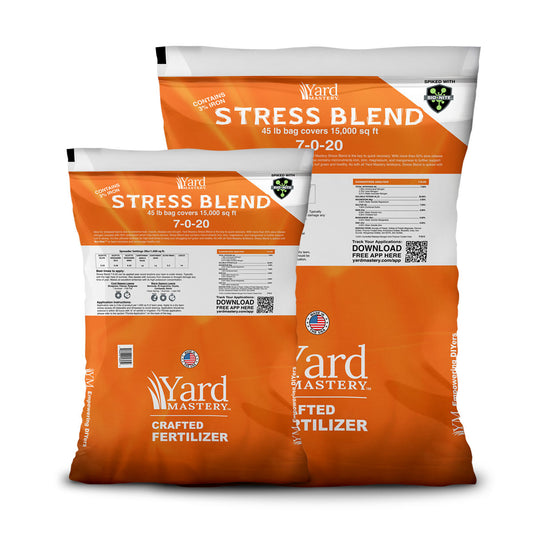
For freeze recovery, you need fertilizers with lower nitrogen and higher potassium. While both nutrients matter, potassium is most important for stress recovery. If you're using the Yard Mastery app, it will recommend the right products for your situation.
Best fertilizer options for freeze recovery:
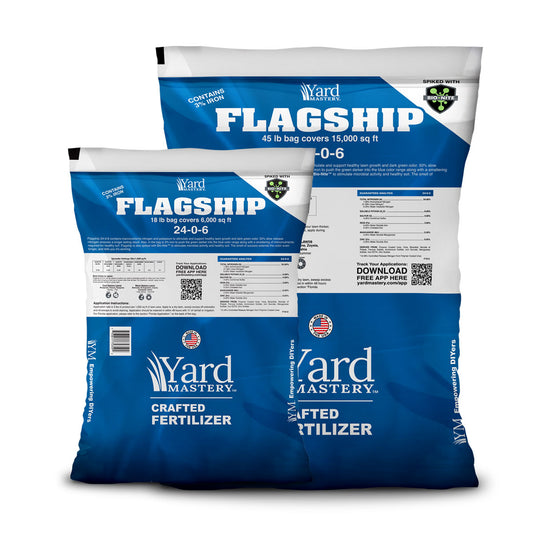
- 7-0-20 Stress Blend – Excellent choice for fast recovery
- 5-0-15 Life Support – Premium option with natural peptides that stimulate enzymes in grass plants (same price as Stress Blend)
If you already have leftover 7-0-20 Stress Blend from last year, use it. If you're buying new, consider 5-0-15 Life Support for its added natural elements.
Application timing: Apply now, even if the Yard Mastery app isn't telling you to apply quite yet. Water it in thoroughly. Then repeat this application 20 days later. This almost back-to-back dose gives your lawn the potassium boost it needs. Following this plan, your lawn will be fully recovered by mid-March.
Step 3: Use Bio-Stimulant for Root Recovery
Compaction Cure bio-stimulant is a critical recovery tool. It contains:
- Sea kelp that stimulates root recovery
- Potassium hydroxide that aids in stress recovery
You can spray Compaction Cure right on top of your Stress Blend or Life Support application. In fact, you can apply it weekly if you want to accelerate recovery. The more frequently you use it, the faster your lawn bounces back.
Step 4: Apply Pre-Emergent Herbicide (Critical Timing)
Here's some good news: the cold weather killed off all the tropical signalgrass in your lawn. However, as soil temperatures rise over the next two weeks, new weed seeds will germinate. You need to get ahead of them.
Apply prodiamine pre-emergent now to prevent future weed outbreaks. Prodiamine does an excellent job preventing weeds, but you must apply it BEFORE new seeds grow. Watch this detailed video for complete application instructions.
Put it down the same day as your Stress Blend (two separate applications, not mixed together) and water them in together.
Complete Recovery Timeline
Follow this schedule for complete lawn recovery:
- Now: Apply Stress Blend or Life Support + Compaction Cure + Prodiamine pre-emergent. Water everything in with ½ inch of irrigation.
- Weekly: Water twice per week (½ inch each time). Optional: Apply Compaction Cure weekly for faster recovery.
- Day 20: Second application of Stress Blend or Life Support + Compaction Cure
- End of March: Follow the Yard Mastery app recommendations as normal. Your season will come along nicely from this point.
Results you can expect: This same strategy worked for Texas homeowners two years ago when major ice storms caused significant freeze damage to St Augustine lawns across the state. They saw excellent results with these proven techniques.
Palm Tree Recovery: What You Need to Know
Real Proof: Areca Palms Can Fully Recover


These are the same Areca palms, photographed 8 years apart. With consistent fertilization, yours can recover too.
Understanding Palm Tree Biology (They're Actually Giant Grasses)
Here's something interesting: palm trees are essentially giant grasses. Both are monocots. Palms aren't actually trees at all—they're more similar to your lawn than you might think.
Palms grow from a single point at the top called the apical meristem. New growth that looks like spears (fronds) originates from one bud at the very top of the trunk. This area is called the "heart of the palm." The trunk doesn't get wider over time; it just pushes upward from that top point.
St. Augustine grass grows the same way, just from a crown near the soil surface. New blades and runners come from nodes that resemble palm growth habits.
Will Your Palm Survive? Here's How to Tell
The critical question: Did the freeze damage the heart of the palm, or just the existing fronds?
- If only the fronds are damaged but not the heart: Your palm will live and recover
- If the heart is damaged: The entire palm will die (there's no recovery)
The key difference between palms and lawns: if some grass crowns die, the lawn can recover because it's made up of thousands of interwoven grass plants. Your palm is a single plant—if its heart is damaged, the whole thing dies.
What to Do About Damaged Fronds
You're probably seeing burned and damaged palm fronds right now. While they look ugly (and will continue looking ugly for a while), they're not necessarily a problem. If the crown didn't get damaged, everything will regrow.
Do not prune damaged fronds. Let them drop naturally.
5-Step Palm Recovery Plan
1. Water Weekly
Dump 2 gallons of water around the base of each palm once per week, or let the hose run for a bit. Don't flood them, but give them consistent water.
2. Fertilize Monthly for 4-5 Months
Fertilization encourages the heart of the palm to push out new fronds regularly, speeding recovery. Use:
These products contain sea kelp, which acts like hormones to encourage new growth. Fertilize once a month for the next 4-5 months.
3. Simple Application Method
Get a 5-gallon bucket, mix the products, and soak the area around the roots. It's easy and effective. Watch this video for a step-by-step demonstration.
4. Save Money with Bulk Orders
If you're buying 4 gallons, you can mix and match using the "build your own" tool to save money.
5. Monitor for New Growth
Watch for new "spears" shooting out. If you're fertilizing consistently but don't see any new growth by early April (90 days from now), it means the palm's heart was damaged and the palm won't recover.
Real-World Example: 2018 Freeze Recovery
During the 2018 freeze when Bradenton temperatures dropped into the high 20s, many local palms—including Areca palms and Foxtail palms—looked terrible with severe frost and freeze damage. However, because only the existing fronds took damage (not the hearts), they all fully recovered.
Foxtail Palm Recovery Timeline


Timeline: It took a solid year for Areca palms to grow back and replace the damaged fronds. Foxtail palms also took a full year before they looked good again. The key was consistent fertilization on this plan and continued fertilization 2-3 times per year in subsequent years without cold spells.
Frequently Asked Questions
How do I know if my palm tree is dead or alive?
You won't know for at least 90 days. If you fertilize consistently and don't see new "spears" shooting out by early April, the palm's heart was damaged and it won't survive. Palm trees are quite resilient, though—even palms that looked terrible in 2018 fully recovered with proper fertilization.
Can I fertilize my lawn earlier than the app recommends?
Yes. Due to freeze damage, it's okay to apply Stress Blend or Life Support earlier than the Yard Mastery app recommends. The potassium-heavy formula won't push the lawn too hard and will aid recovery.
Should I apply pre-emergent if I'm planning to seed bare spots?
For small bare areas, spot seed while applying pre-emergent herbicides like Prodiamine to the rest of the lawn. This prevents weeds without stopping your spot seeding efforts.
What grass types does this recovery plan work for?
This strategy works for all Florida warm-season grasses:
- St Augustine (most common in Florida)
- Zoysia
- Bermuda
- Centipede
- Bahia
What if I see tropical signalgrass coming back?
The cold weather killed off existing tropical signalgrass. Applying prodiamine pre-emergent now will prevent new outbreaks. Get it down BEFORE soil temps rise over the next 2 weeks.
Products Mentioned in This Guide
- 7-0-20 Stress Blend – Potassium-rich fertilizer for stress recovery
- 5-0-15 Life Support – Natural-base fertilizer with peptides (same price as Stress Blend)
- Compaction Cure – Bio-stimulant with sea kelp and potassium hydroxide
- Prodiamine Pre-Emergent – Prevents crabgrass, signalgrass, and other weeds
- 4-0-2 FloraGreene – Palm fertilizer
- 0-0-2 MicroGreene – Palm micronutrient supplement
Key Takeaways
- Your Florida lawn is dormant, not dead—it will recover
- Focus on potassium-heavy fertilizers (lower nitrogen, higher potassium)
- Water deeply twice per week (½ inch each time)
- Apply fertilizer now and again in 20 days for fastest recovery
- Use Compaction Cure weekly to speed root recovery
- Apply prodiamine pre-emergent to prevent weeds as soil temps rise
- Palm trees may look ugly but will likely recover if the heart wasn't damaged
- Fertilize palms monthly for 4-5 months with FloraGreene and MicroGreene
- Full lawn recovery by mid-March if you follow this plan
This proven recovery strategy helped Texas homeowners bounce back from severe ice storms two years ago, and it will work for your Florida lawn and palms. Stay consistent with the watering and fertilization schedule, and you'll see your yard looking healthy and green again soon.
Stay Updated: Follow and subscribe to the YouTube channel for video updates on lawn and palm recovery after this freeze.
For more detailed lawn care guidance and personalized fertilization schedules, download the free Yard Mastery app.