
False Spring and Your Lawn: Why You Shouldn't Seed or Apply Pre-Emergent Yet (February 2026)
False Spring and Your Lawn: Why You Should Wait to Seed or Apply Pre-Emergent
A February warm-up is headed your way — but that doesn't mean it's time to start your lawn care season. Here's what to do (and what to avoid) whether you grow cool-season or warm-season grass.
What's In This Guide
- What Is a False Spring?
- The February 2026 Warm-Up: What's Coming
- Should I Apply Pre-Emergent During a False Spring?
- Should I Seed My Lawn in February?
- What Cool-Season Homeowners Should Do Right Now
- What Warm-Season Homeowners Should Do Right Now
- Special Note: Florida and South Texas
- Using Soil Temperature to Time Your Applications
- Frequently Asked Questions
What Is a False Spring?
A false spring is a period of unusually warm weather in late winter that tricks plants, insects, and eager homeowners into thinking spring has arrived — only to be followed by a return to freezing temperatures, frost, or even snow.
In lawn care terms, a false spring is dangerous because it can temporarily push soil temperatures up into the range where you'd normally start applying products or planting seed. If you jump the gun and act on those warm temps, you risk wasting product, killing new seedlings, or creating gaps in your weed prevention strategy.
The key thing to understand: air temperature and soil temperature are not the same thing. A few warm days can raise air temps into the 50s or 60s, but soil temperature — which is what actually drives seed germination and pre-emergent activation — changes much more slowly. It takes sustained warmth over a period of weeks to meaningfully shift soil temps.
The February 2026 Warm-Up: What's Coming
If you follow weather forecasts, you've probably already heard about the significant warm-up headed across most of the country this week. Meteorologists have been tracking this pattern for several days, and the numbers are impressive.
The warmup starts this weekend and builds through next week. By Wednesday, February 18th, the forecast shows temperatures reaching the low 50s as far north as Chicago — a city that sits on the southwestern tip of Lake Michigan and is typically still locked in winter weather in mid-February.

[Weather forecast map showing the February 18, 2026 warm-up across the U.S., with temperatures ranging from the 40s–50s in the upper Midwest to the 70s–80s across the South.]
Across the rest of the country, temperatures will be well above seasonal averages. Dallas is looking at the upper 70s, Houston near 80°F, Atlanta around 69°F, and Nashville pushing 69°F. Even the Northeast corridor will see temps in the 50s and 60s.
This kind of warmth in February is textbook false spring. It feels amazing after a long winter — and it will tempt you to start your lawn care season early. Resist that urge.
Should I Apply Pre-Emergent During a False Spring?
No. The answer is definitive. A false spring is not the time to put down your pre-emergent herbicide.
Here's why timing matters so much with pre-emergent. Products like prodiamine work by creating a chemical barrier in the top layer of soil that prevents weed seeds — especially crabgrass — from successfully germinating. That barrier has a limited lifespan. Once you apply it, the clock starts ticking.
If you apply too early — say, during a February warm spell — the barrier begins to break down while winter weather returns. By the time actual spring arrives, when crabgrass seeds are truly germinating in earnest, your pre-emergent may have already lost much of its effectiveness. You've spent the money, done the work, and left yourself exposed right when it matters most.
For cool-season lawns, the general target is to apply your first round of prodiamine when soil temperatures are consistently crossing 50°F and heading toward 55°F. For most of the upper Midwest and Northeast, that's typically sometime in March or early April — not mid-February.
For warm-season lawns, the window starts earlier, but it's still driven by sustained soil temperatures crossing 50°F, not a single warm week.
Should I Seed My Lawn in February?
If you're in the northern half of the country: absolutely not. February seeding for cool-season grasses is almost always a waste of seed and effort.
Here's the reality. Grass seed — whether it's Kentucky Bluegrass, Perennial Ryegrass, or Turf-Type Tall Fescue — needs consistent soil temperatures around 50–65°F to germinate reliably. Even if air temperatures spike into the 50s for a few days, soil temps are lagging well behind. And even if you do get some germination, any return to freezing will kill those tender, newly emerged seedlings.
Beyond the temperature problem, spring seeding in general faces an uphill battle compared to fall seeding. Here's why:
Spring-seeded grass has to compete with crabgrass and other annual weeds that germinate at roughly the same soil temperatures. You also can't use most pre-emergent herbicides if you're seeding, because they'll prevent your grass seed from establishing too. So you're stuck choosing between weed prevention and new grass — a lose-lose situation.
Fall seeding, on the other hand, lets your new grass establish without weed competition. Soil temperatures are declining from summer highs, providing that ideal 65–70°F germination window. And the new grass gets an entire fall and winter to develop root systems before facing its first summer.
If you do plan to seed this year, watch this detailed video covering seeding strategies for 2026 — including guidance for both northern and southern lawns:
For a deeper dive into seeding best practices, check out our complete DIY Seeding and Overseeding Guide.
What Cool-Season Homeowners Should Do Right Now
Just because you shouldn't be applying products doesn't mean there's nothing to do. A false spring is actually a great time to get outside and assess the state of your lawn after winter. Here's your mid-February checklist:
Inspect for Winter Damage
Walk your lawn and look for the telltale signs of winter stress. Snow mold is one of the most common issues — it shows up as matted, circular patches of gray or pink fungal growth where snow sat on your lawn for extended periods. You might also spot vole or field mouse tracks: those winding surface trails through the grass where rodents were tunneling under the snow cover.
If you're seeing snow mold, don't panic. In most cases, it resolves on its own once the lawn starts actively growing again. Gently raking the affected areas to break up the matted grass can help air circulation and speed recovery. For a deeper dive into lawn diseases and when they actually need treatment, check out our Fungicide Guide.
Clean Up Debris
Leaves, sticks, and other debris that got trapped by snow can smother the grass underneath and create conditions for disease. Use a warm day to clear all of that off your lawn. While you're at it, give your flower beds a good early cleanup too. Getting organic debris off the lawn lets sunlight and air reach the turf as it comes out of dormancy.
Stock Up on Supplies
Here's the thing most people don't realize: actual spring is less than four weeks away. If you're in the Chicago and Northwest Indiana area, for example, your first pre-emergent application window is likely sometime in the first half of March. That comes fast.
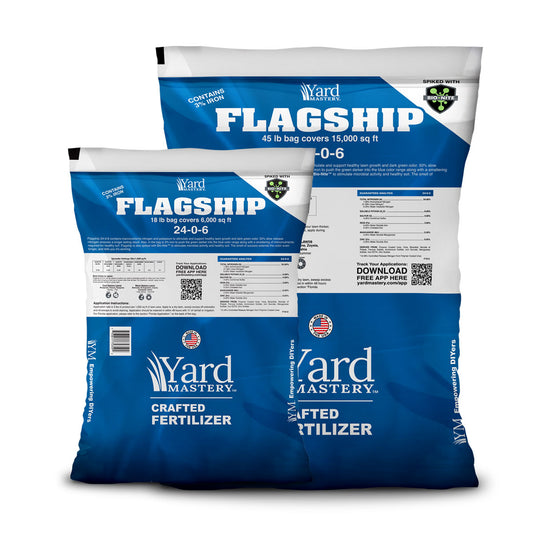
Now is the time to order your prodiamine and Flagship fertilizer so they're in your garage and ready to go the moment soil temps say it's time. Waiting until the last minute means you risk products being out of stock or delayed in shipping right when you need them most.
Don't wait until your soil temps hit the target. Have your products ready to go.
Shop Prodiamine Shop FlagshipWhat Warm-Season Homeowners Should Do Right Now
If you grow warm-season grass — Bermuda, Zoysia, St. Augustine, Centipede, or Bahia — your 2026 season has already started. Unlike your cool-season friends up north who need to wait, many warm-season areas have soil temperatures that are sustainably above 50°F, which means it's go time.
Apply Pre-Emergent
For a good majority of warm-season homeowners, it's time to start applying prodiamine right now. If you're on the DLUX program in the Yard Mastery app, your notification may have already fired. The app is activating new zip codes every day as soil temperatures cross the threshold.
The first pre-emergent application for warm-season lawns goes down when soil temps cross 50°F heading toward 55°F. The second application follows when temps cross 65°F heading to 70°F. This split application approach gives you overlapping coverage that's far more reliable than a single heavy application.
Start Compaction Cure
Along with your pre-emergent, this is an excellent time to apply Compaction Cure. When soil temps are above 50°F, the soil biology is waking up and active. Compaction Cure works with that biology to improve soil structure, enhance root development, and set the foundation for a healthier lawn all season long.
Applying it now — while the soil is just coming alive — gives the product maximum time to work before the heat and stress of summer arrive.
Special Note: Florida and South Texas
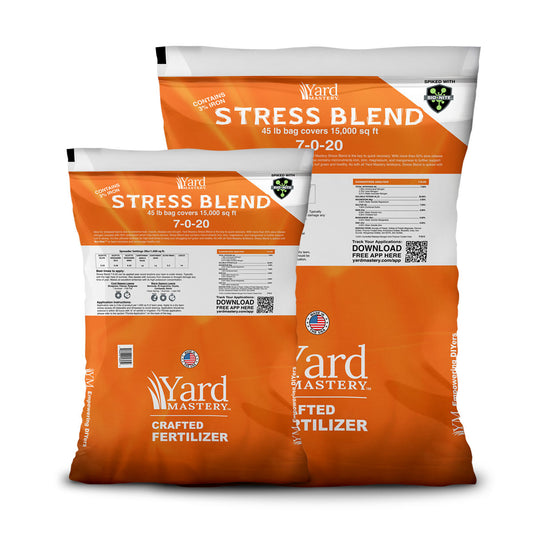
If you're in Florida or South Texas, you're ahead of the rest of the warm-season crowd. Not only are you in the window for prodiamine and Compaction Cure, it's also time for your first application of Stress Blend (7-0-20).
Stress Blend is a high-potassium fertilizer designed to strengthen your grass at the cellular level. Applying it now — before your neighbors have even started thinking about their lawns — gets deep, dark green color into your turf early in the season while also building stress tolerance for the summer ahead.
The combination of prodiamine for weed prevention, Compaction Cure for soil health, and Stress Blend for color and resilience is a powerful early-season stack. The Yard Mastery app lays out the exact timing and rates for your specific area.
For a detailed walkthrough of early-season warm-season strategy, check out this recent video:
Using Soil Temperature to Time Your Applications
If there's one takeaway from this entire article, it's this: soil temperature is the most reliable signal for when to start your lawn care season — not the calendar, not the air temperature, and definitely not a single warm week in February.
Here's a quick reference for the key soil temperature milestones and what actions they trigger:
Cool-Season Lawns (Kentucky Bluegrass, Fescue, Ryegrass)
Soil temps crossing 50°F → 55°F: Apply your first split application of prodiamine at 3 lbs per 1,000 sq ft. This is also a good time to put down your first round of fertilizer like Flagship (24-0-6).
Soil temps crossing 65°F → 70°F: Apply your second split application of prodiamine at 3 lbs per 1,000 sq ft. This second coat fills in any gaps from your first application and extends your coverage window.
Soil temps falling to 70°F (fall): Apply Dimension as your fall pre-emergent — unless you plan to overseed, in which case you skip the fall pre-emergent in your seeding areas.
Warm-Season Lawns (Bermuda, Zoysia, St. Augustine)
Soil temps crossing 50°F → 55°F: First prodiamine application plus Compaction Cure. The soil is waking up and biological activity is ramping up.
Soil temps crossing 65°F → 70°F: Second prodiamine application. Warm-season grass is now actively growing.
Soil temps above 70°F through summer: Continued fertilization, irrigation management, and targeted post-emergent weed control as needed.
All pre-emergent applications need to be watered in to activate properly. Try to get them watered in within 48 hours of application — sunlight can degrade the chemical on the soil surface before it has a chance to form the protective barrier.
For a comprehensive breakdown of pre-emergent strategy, application rates, and product options, check out our complete Pre-Emergent Guide.
Frequently Asked Questions
What is a false spring in lawn care?
A false spring is a temporary warm spell in late winter — often lasting just a few days to a week — that raises air temperatures well above normal before colder weather returns. In lawn care, it matters because it can trick homeowners into applying pre-emergent, fertilizer, or seed too early. Since soil temperature changes more slowly than air temperature, a few warm days don't mean the soil is ready for products or seeding.
Should I apply pre-emergent during a warm spell in February?
No. Pre-emergent herbicides like prodiamine have a limited effective lifespan once applied. Putting them down too early means the protection may wear off before crabgrass actually begins germinating in spring. Wait until soil temperatures are consistently crossing 50°F and trending toward 55°F. Use the Yard Mastery app or a soil thermometer to track temps for your area.
When should I start lawn care in spring?
The best time to start your spring lawn care program depends on your location and grass type — not the calendar. For cool-season lawns, the first pre-emergent application typically goes down when soil temps cross 50°F heading toward 55°F, which is often early-to-mid March in the upper Midwest and mid-Atlantic. For warm-season lawns in the South, the season may start in February when soil temps sustainably cross 50°F. Use soil temperature, not air temperature, as your guide.
Can I seed my lawn in February?
For cool-season lawns in the North, February is too early to seed. Soil temperatures are too low for consistent germination, and any seedlings that do emerge are at risk of being killed by returning freezes. Fall is the best time to seed cool-season grass because it offers ideal soil temps, minimal weed competition, and a full dormancy period for root establishment before summer stress.
What should I do with my lawn during a false spring?
Use the warm weather to inspect and clean up your lawn. Walk the yard looking for snow mold, vole damage, or flattened debris. Rake matted areas to improve air circulation. Clear leaves and sticks from both the lawn and flower beds. It's also a smart time to stock up on spring supplies like prodiamine and fertilizer so you're ready when soil temps actually reach the application threshold.
How do I know when soil temperature is right for pre-emergent?
The most convenient way is to use the free Yard Mastery app, which tracks soil temperatures by zip code and sends you a notification when it's time to apply. You can also use a soil thermometer — measure 2–4 inches deep in a sunny area of your lawn and check at the same time each day for several days. You're looking for a consistent trend crossing 50°F, not a single warm reading.
The Bottom Line
A warm February week feels incredible after a cold winter — and your lawn will look a little brighter for it. But your best move right now is patience. Let the false spring pass, use the warm days to inspect and clean up your turf, and get your products ordered and staged in the garage.
When soil temperatures tell you it's actually go-time — and the Yard Mastery app will make sure you know exactly when that is — you'll be prepared to execute a well-timed spring program that protects your lawn all season long.
I'll see you in the lawn.